On this page
- Step 1: identify the original
- Step 2: find the virtual balance
- Step 3: read the stake separately
- Step 4: press once and wait
- Step 5: read what the ordinary symbols did
- Step 6: compare result and balance
- Step 7: leave the player
- If free spins begin during the exercise
- The fisherman collects during the feature
- What every fourth wild changes
- A pictured fish limit is not a session forecast
- Use the return model carefully
- When the game stalls
- Learn the seven steps with a quiz
- Sources and practice limits
- A worked first-round notebook
- Questions that follow the worked example
Step 1: identify the original
You do not need to trigger a bonus or increase the stake to complete it. Along the way, the guide separates the fisherman, money fish and scatter so that a moving fishing screen becomes readable.
Pragmatic Play's Big Bass Bonanza is the game covered here. Bigger Bass Bonanza, Big Bass Splash and similarly named sequels have their own rules. Look for the full title before accepting the interface as evidence. A fishing background is not an edition check. The original source is linked below, and every planned capture belongs to that exact edition rather than a convenient substitute.
| Title | Original Big Bass Bonanza | Full edition name checked before any symbol or feature statement. |
|---|---|---|
| Start | 80 illustrative units | An example amount, not an actual screenshot or suggested budget. |
| Stake | 2 illustrative units | Amount used by the example paid round; separate from symbol values. |
| Zero-return case | 78 units | Starting amount minus stake, with no credited return. |
| One-unit return case | 79 units | A positive round credit still below the opening balance. |
| Close | Separate UI observation | Frame removal, scroll restoration and visible focus checked independently. |
| Provider | Pragmatic Play | |
| Scatters / starting spins | 3→10,4→15,5→20 | |
| Collection | Wild collects visible money symbols during free spins | |
| Retrigger | Every fourth wild:10 additional spins | |
| First three stages | 2×,3×,10× | |
| Money-symbol value | Up to2000× as described for bonus game | |
| Product listing RTP | 96.71%; operator configuration separate |
Step 2: find the virtual balance
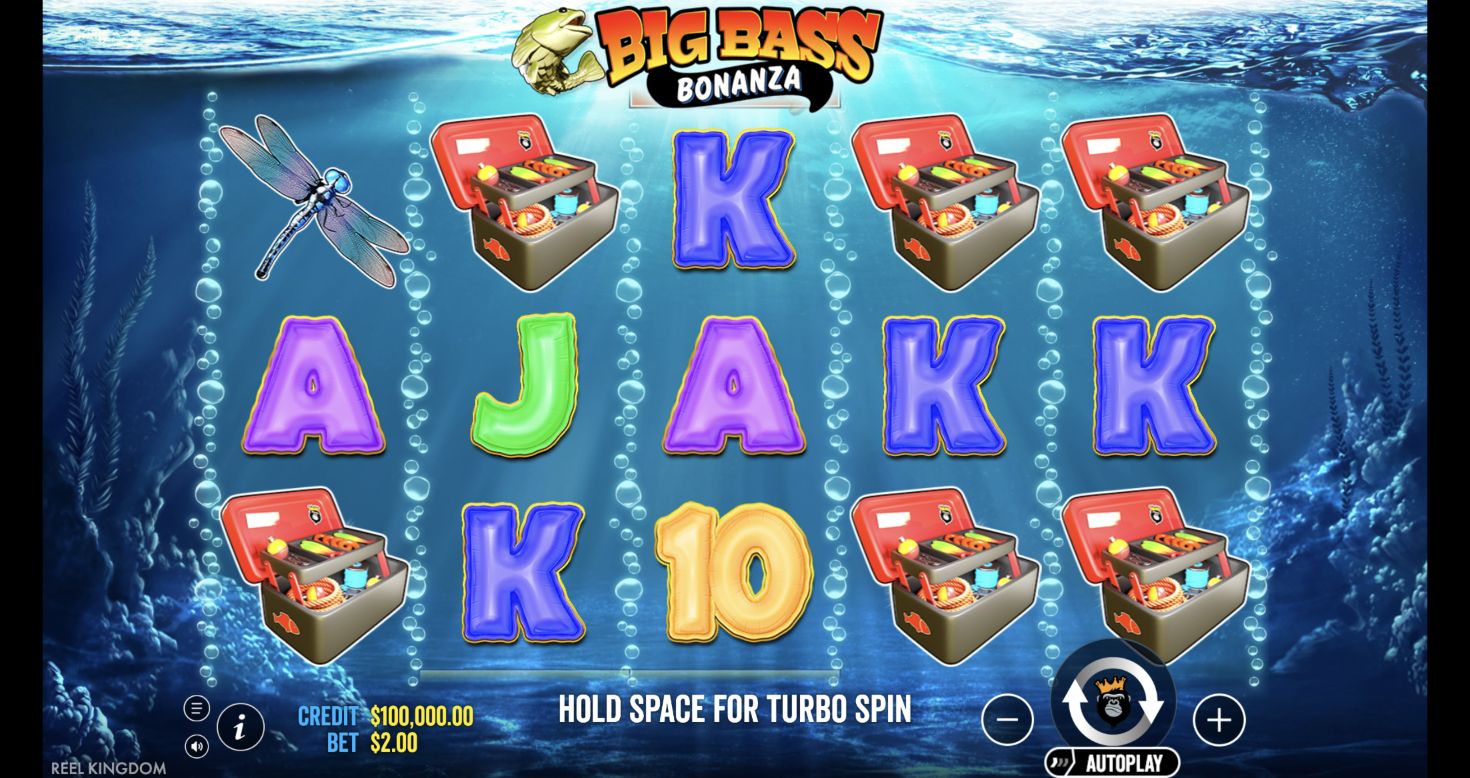
The balance shows remaining practice credit in the supplied client. It can carry a currency-style label, but it has no cash value and cannot be withdrawn from this guide. Record the starting amount before the round. Do not compare it with a win banner while ignoring the stake deducted for play. The starting and settled balances provide context for reading the round's movement.
Step 3: read the stake separately
The stake is the amount used for the next paid round. Changing it does not add credit or cause a feature to become due. Open the client's settings and information to learn which units are being shown. Minimum and maximum values in one demo are not a universal casino range. This tutorial uses a hypothetical small amount in its arithmetic example, not a stake recommendation.
Step 4: press once and wait
A single manual start gives a clearer observation than several overlapping actions. Let the reels, win animation and any feature transitions finish. The settled interface matters more than a screenshot taken midway through movement. If you cannot distinguish an active round from the final state, use the client's help and stop the exercise. There is no need to select autoplay to inspect the controls.
Step 5: read what the ordinary symbols did
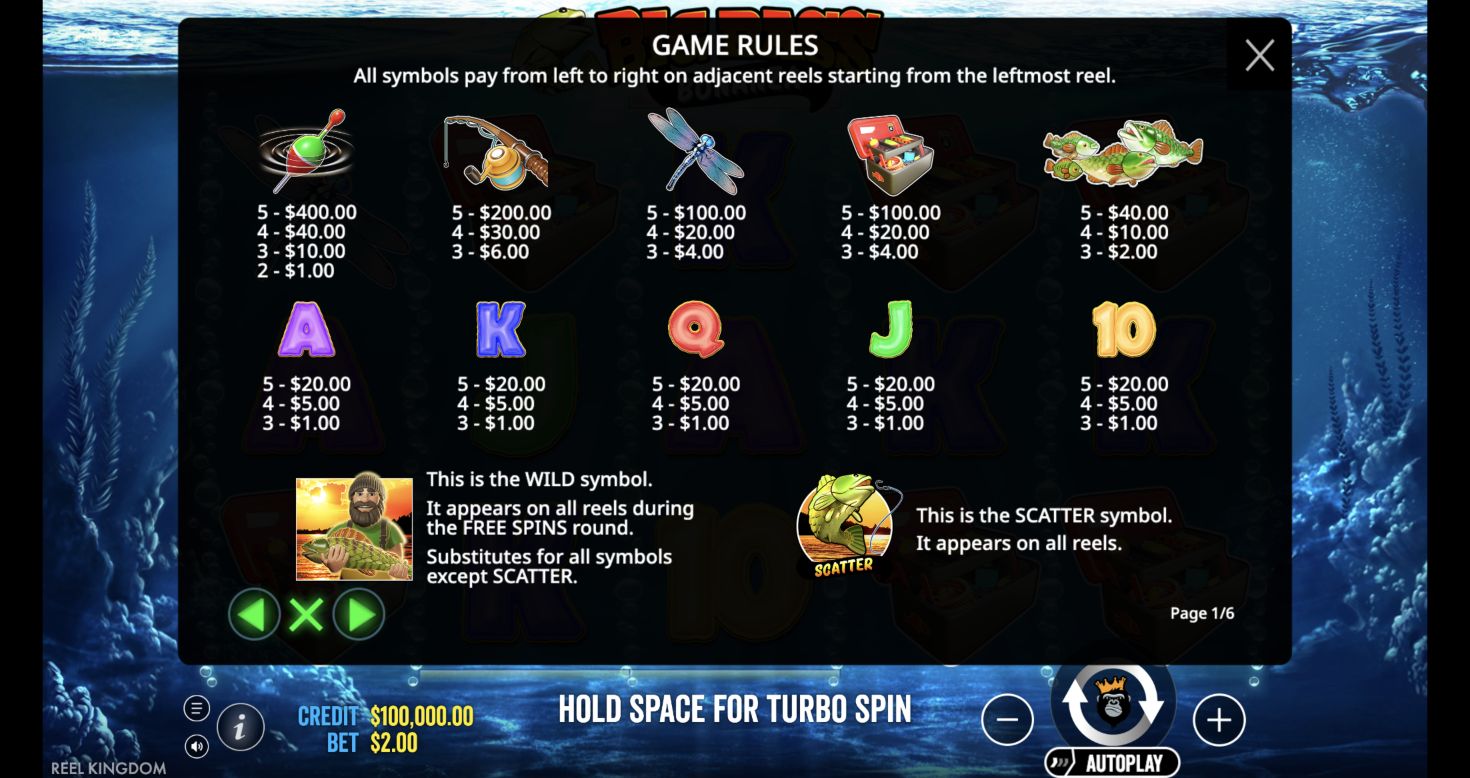
Ordinary symbols form the base-game combinations described by the client paytable. A money fish has a different feature role, and a scatter serves as a trigger. Identify the job of the symbol before discussing its value. A large amount printed on a fish is not automatically the amount collected. The result field and the feature rules determine what the round actually credited.
Step 6: compare result and balance
Suppose an illustrative session begins with 100 virtual units and a round uses two. With no credited return the settled balance is 98; a credited return of three would instead leave 101. These are arithmetic examples, not observed wins or client promises. Keeping the result and balance separate prevents a return smaller than the stake from being described as session profit.
Step 7: leave the player
Use the guide's close control when the exercise is finished. The embedded frame should be removed and ordinary page scrolling restored. Returning to the launcher does not require another round. An escape key can only be promised in the surrounding controls where its handling is actually implemented; the supplier's own iframe is a separate environment. A mobile test must establish those behaviours in the exact deployed route.
If free spins begin during the exercise
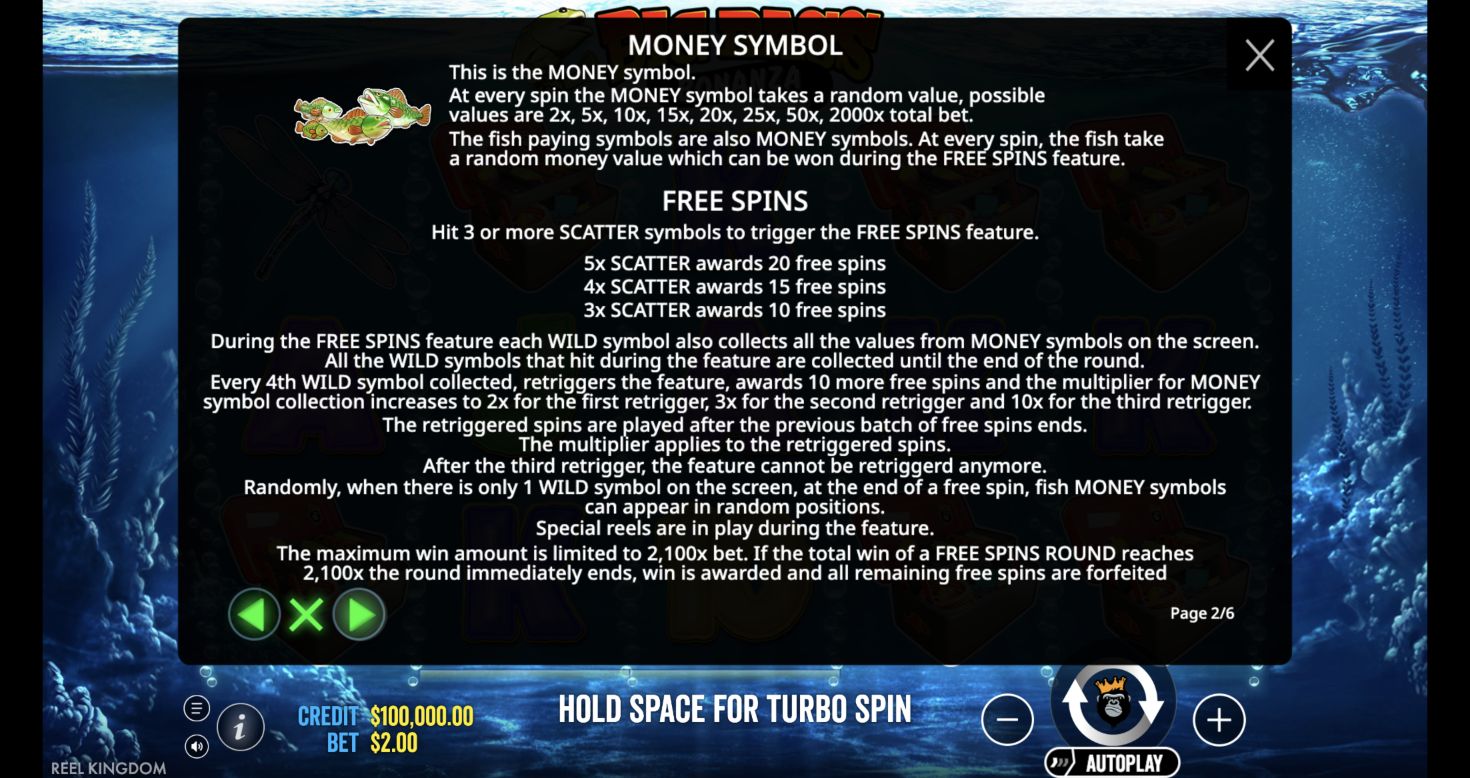
The original supplier description gives three, four and five scatters as entry awards for ten, fifteen and twenty free spins. Read the allocation actually shown by the client. It is a starting award, not the feature's final duration. Subsequent collections and retriggers can change the sequence. A short controls exercise need not show any feature, and its absence does not disprove the rule.
The fisherman collects during the feature
During free spins a fisherman wild collects visible money symbols. Look at the relationship between the collector and the fish on that round. A fish without the relevant collection event does not establish a paid value. Capture the symbols, then read the settled result. This distinction is especially useful when a screenshot makes a high-value fish more visually prominent than the field showing the actual credited amount.
What every fourth wild changes
The supplier describes a ten-spin retrigger at every fourth wild, with collection multipliers of two, three and ten across the first three retriggers. The counter, spin allocation and multiplier are related but different indicators. Read them in order rather than compressing the entire feature into one headline number. None of these conditional rules makes a wild or retrigger inevitable after a particular number of paid rounds.
A pictured fish limit is not a session forecast
The official original-game description includes money symbols with values up to 2000 times the relevant bet basis. That statement concerns a symbol value in the bonus game. It is not a promise that your next feature reaches the limit, and it cannot be substituted for a total session result. Read the client's exact payout basis before translating an illustration into a monetary amount.
Use the return model carefully
The current product page displays 96.71% theoretical RTP. The guide treats it as the supplier's displayed information, not proof of every operator's configuration. The arithmetic tool shows what an assumed long-run percentage means for a chosen turnover figure. It does not model feature timing or predict the next round. Real small-sample outcomes can differ substantially from the illustrative theoretical result.
When the game stalls
A loading screen is an incomplete observation. The provider, browser, connection or regional rules can prevent the client from reaching playable reels. Keep the tutorial and images readable if that happens. Do not report a successful round from a frame returning HTTP200, and do not silently open a different Big Bass game. The exact original demo has separate dated mobile-browser evidence; country-wide access is not established by that test.
Learn the seven steps with a quiz
The questions ask which field means stake, which means remaining credit and what evidence is needed for a settled round. They also distinguish scatter triggering from money collection. Answer explanations refer to this tutorial's visible steps, so an incorrect selection can be followed by a specific reread. This is a comprehension exercise. Its result does not change the supplier client or provide an advantage in gambling.
Sources and practice limits
The original supplier page was rechecked on13October2026. Its published rules and listed96.71% RTP are separate from any operator’s configuration. The reference images show an international original-game client with virtual dollar-labelled credit. This guide accepts no deposits and holds no player wallet.
A worked first-round notebook
Create a simple notebook with five fields: title, starting credit, stake, settled credit and result. Use a hypothetical opening credit of 80 and a two-unit stake to see how the arithmetic works. If the result is zero, the illustrative balance becomes 78. If the credited result is one, it becomes 79. Both returned amounts and net change should be written separately, because a nonzero credited result can still leave the balance below its starting point.
Next, add a symbol-role note without assigning a guessed award. A fish may show a value; a scatter may contribute to a feature trigger; a fisherman may be relevant during free spins. Write what the rules say and what you actually observed as separate sentences. For example, the published scatter allocation belongs to the rule column even if the single practice round contained no feature. An empty observed-feature cell is an honest result of the controls exercise.
The notebook finishes with a close observation: did the external frame disappear, did ordinary scrolling return, and did focus come back to a visible launcher? Those are interface results rather than gambling outcomes. Keeping them beside the round fields makes the exercise reviewable. The guide does not claim that this illustrative 80-credit scenario was personally played, and it does not require another spin to fill a feature or payout row.
Questions that follow the worked example
Is a fish amount already included in the balance?
Not automatically. The original game has a collection rule during free spins, so the visible value and the credited result must be distinguished. Read the collector event and the settled credit movement. A still image of a fish cannot establish that it was collected.
Can I practise without waiting for free spins?
Yes. Finding the correct title, reading the information, making one manual control check and closing the client are a complete exercise. Free spins are a possible event described by the rules; they are not a requirement for understanding the interface or a reason to keep chasing a feature.
What if the balance changes before all animation ends?
Wait until the client has completed the round and restored its ordinary controls before recording the result. An intermediate display can be part of settlement or a feature transition. A screenshot with moving reels or a loading state is not sufficient proof of a completed round.
Does this notebook verify UK casino access?
No. It describes a virtual practice observation and elementary arithmetic. An exact UK operator destination needs separate checks for eligibility, available edition, terms and payments. A browser touch context is also distinct from a physical phone and a UK exit connection.
Original-game sources
Pragmatic Play: original Big Bass Bonanza · checked13October2026.
Casino partner link
Visit partner site ↗18+ · Advertisement / affiliate link. We may receive a commission. This destination is separate from the practice demo; check its current country eligibility and terms.